
Among deep marine environments, seamounts represent crucial habitats due to their importance in the offshore ecosystem functioning. Thanks to the typical turbulent hydrological regime around these underwater mountains, these structures have the extraordinary potential to host important deep benthic assemblages dominated by habitat-forming filter feeders as corals (Cold-Water Corals) and sponges. Hence, these habitats may support a complex trophic net dominated by a rich mesopelagic and fish community sustaining valuable top predators. These, in turn, attract fishing activities that are known to dramatically influence benthic communities built upon fragile species characterized by a long life span, and slow growth rates.
The Mediterranean Sea hosts about 230 structures, 65 of which are located in the Ligurian and Tyrrhenian seas; these mounts are almost unknown from the biological point of view. Despite their great biodiversity potential, at present, no large-scale investigation or conservation management plan exists for Mediterranean seamounts.
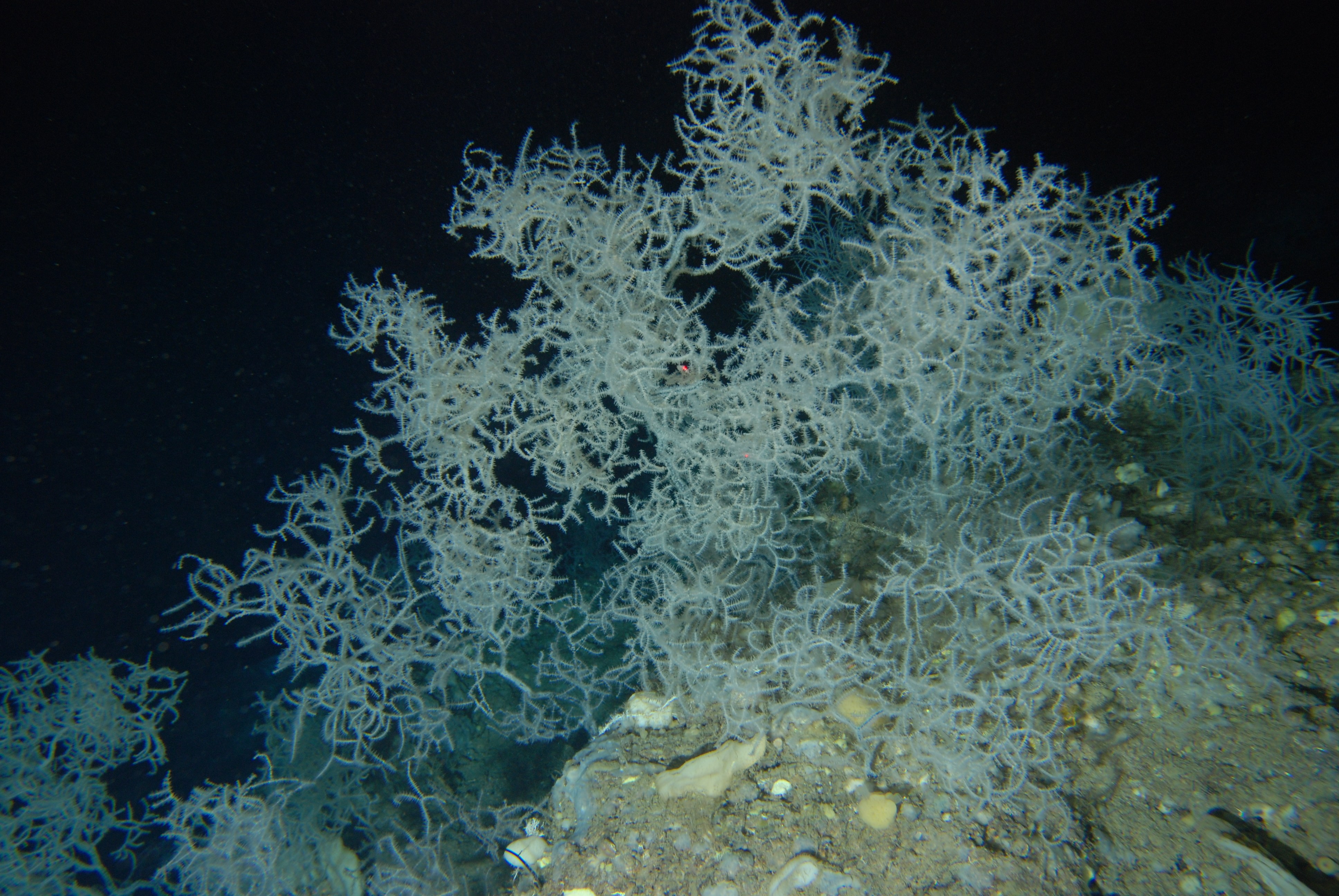
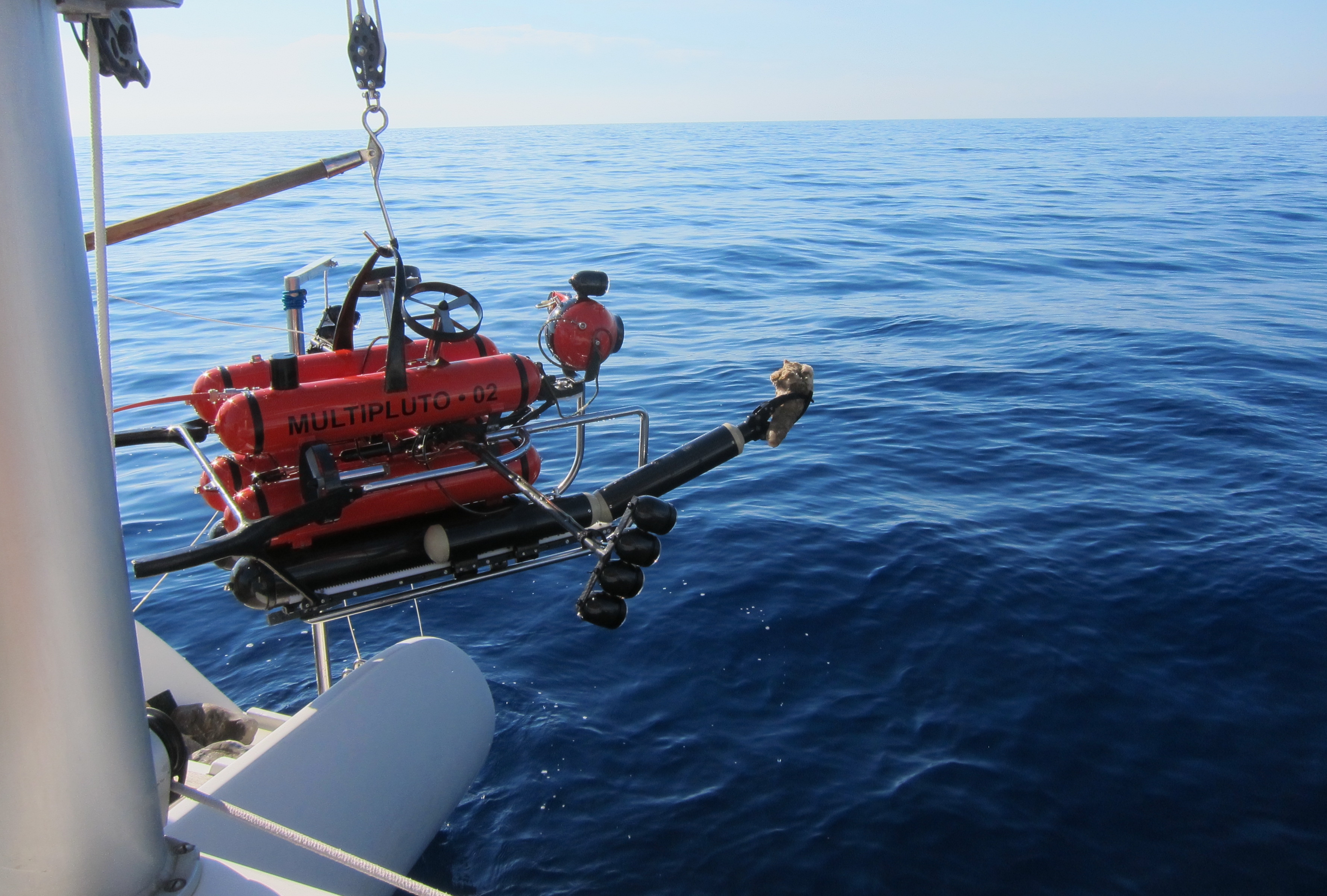
The main task of the BioMount Project is to conduce a large-scale multi-disciplinary study focused on the biocoenotic characterization and vulnerability assessment, through ROV technology, of the assemblages thriving on the summit of various Ligurian and Tyrrhenian seamounts. The degree of isolation of the mounts will be evaluated on the basis of both the species composition of the assemblages and their affinity with coastal and Atlantic sites and the genetic variability of the project’s target species, the black coral Antipathella subpinnata. The ecology of this deep species, almost unknown, will be evaluated with field and aquarium experiments targeting the isotopic diet, bacterial microbiome, reproduction and growth rates.
This approach will lead towards a comprehensive biological model of Mediterranean seamounts, shedding light on the origin of the benthic faunas, the extent of the habitat-forming populations, their distribution in relation to topography and oceanographic circulation, their degree of isolation, their influence on the pelagic domain, and their vulnerability to fishing impact. These tools will be of crucial importance to fulfil future requirements of EU Marine Strategy Standards on deep marine habitat protection.